
Digestive Health
Understanding what may be contributing to your digestive symptoms.
Digestive symptoms can involve many interconnected factors: bowel function, digestion, nutrient absorption, medications, lifestyle, stress, and past health history. A thorough assessment considers what these symptoms might reflect and whether investigation is appropriate for your individual situation.
Common concerns I assess
Digestive Concerns I Commonly Assess
These concerns often warrant careful investigation to understand what may be contributing to your symptoms.
Bloating and gas
Constipation
Loose stools and diarrhea
Reflux and upper digestive symptoms
Food-related digestive symptoms
Abdominal discomfort or cramping
Changes in stool frequency, colour, consistency, or appearance
Digestive symptoms occurring alongside fatigue or nutritional concerns
Digestive Health Is More Than the Microbiome
A comprehensive digestive assessment may consider several interconnected areas to understand your unique situation.
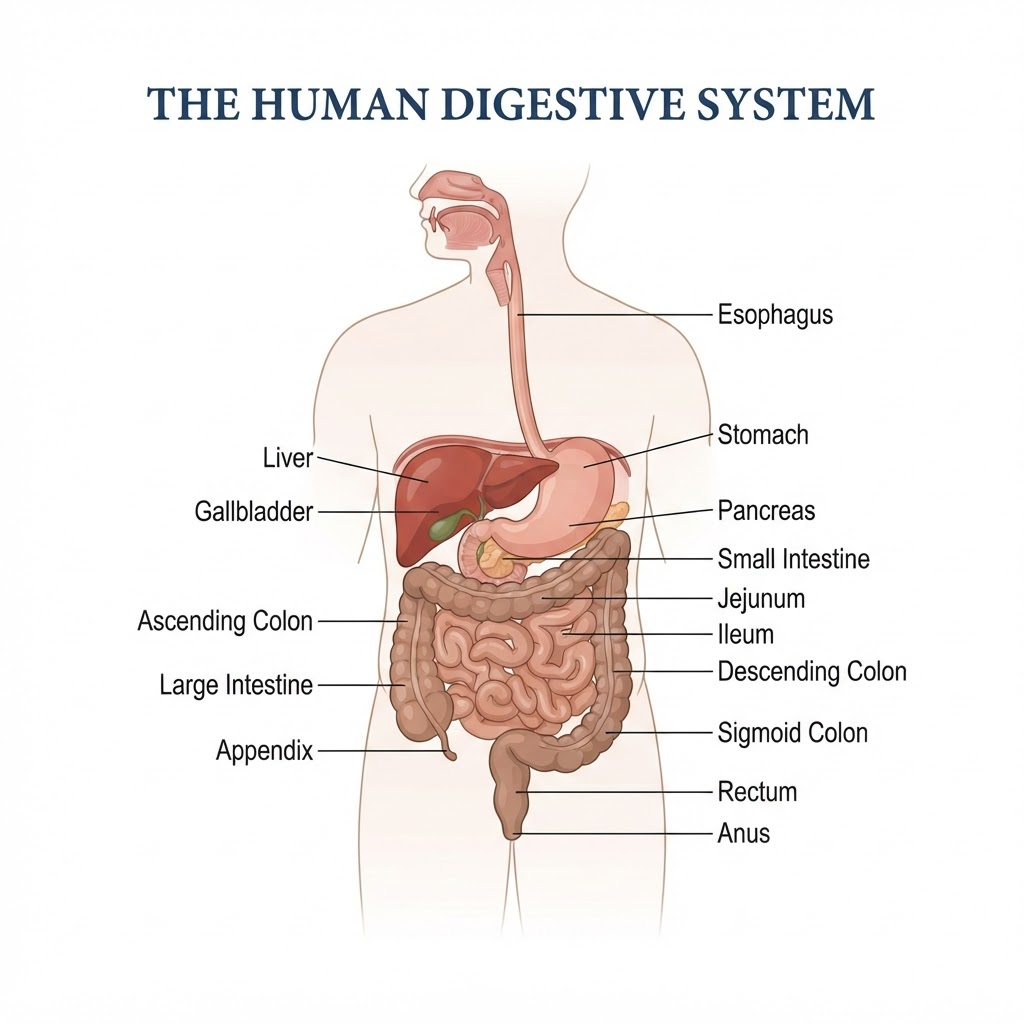
Digestion
Nutrient absorption
Gastrointestinal motility
The intestinal microbiome
Inflammation
Gut-brain and stress-related influences
Liver, biliary, and pancreatic function when relevant
Medications and supplements
Testing When It Makes Sense
Not every digestive concern requires specialized testing. Testing may be considered when the results are likely to provide useful information or influence the clinical plan.
Bloodwork
Potential areas of investigation may include:
- • CBC and anemia assessment
- • Iron and ferritin
- • Vitamin B12 and folate
- • Inflammatory markers
- • Liver and pancreatic markers
- • Blood sugar markers
- • Thyroid testing and nutritional markers
Stool Testing
Depending on the clinical picture, stool testing may provide information related to:
- • Digestive function and enzyme output
- • Intestinal inflammation
- • Fat digestion and absorption
- • Parasites and microbiota findings
- • Bacterial or yeast patterns
- • Comprehensive digestive analysis
Breath Testing
Breath testing may be considered for certain patterns of bloating, gas, or suspected carbohydrate fermentation or malabsorption patterns.
Testing may include hydrogen-based breath testing or other clinically appropriate investigations when indicated.
Other Targeted Testing
Additional testing may occasionally be discussed depending on your symptoms, previous testing, medical history, and the clinical question being investigated.
Testing is not automatically required simply because someone has digestive symptoms.
The Pattern Matters
When did it start?
What changed around that time?
What happens after meals?
What are bowel movements like?
Could medications or supplements be contributing?
What testing has already been completed?
What investigation would actually change the next step?
Timing, diet, bowel habits, medications, previous infections, antibiotic exposure, stress, travel, and prior investigations can all provide important clinical context for understanding your digestive health.
What Care May Include
Recommendations depend on your individual assessment. Possible areas of care may include:
Nutrition
Meal composition, fibre, hydration, dietary patterns, and individualized nutritional strategies.
Digestive Support
Strategies selected according to symptoms and clinical findings.
Microbiome Support
Prebiotics, probiotics, dietary strategies, or other interventions when appropriate.
Botanical and Nutritional Supplements
Selected according to your history, medications, goals, and clinical findings.
Lifestyle and Nervous System Support
Sleep, stress, physical activity, eating patterns, and other factors that can influence digestive function.
Medication and Supplement Review
Reviewing prescriptions, over-the-counter products, and supplements for possible digestive effects, interactions, duplication, or unnecessary complexity.
No intervention is guaranteed to improve symptoms. Recommendations are tailored to your individual situation and may be adjusted based on your response and new information.
You don't need to know which test you need.
Part of the naturopathic assessment is determining whether additional investigation is appropriate for your unique situation. Previous bloodwork, imaging, endoscopy, colonoscopy, stool testing, and other investigations can be reviewed during your appointment to help avoid unnecessary duplication and ensure efficient assessment.
What Working Together Looks Like
Understand
Review symptoms, history, diet, medications, supplements, previous testing, and health goals.
Investigate
Determine whether physical examination, bloodwork, or other testing may be appropriate.
Build the Plan
Develop individualized recommendations based on the assessment.
Reassess
Monitor symptoms and relevant objective findings and adjust recommendations when needed.
When Further Medical Investigation Is Needed
Naturopathic care complements—but does not replace—appropriate medical investigation. If you're experiencing concerning symptoms or if clinical findings suggest that further assessment by another healthcare provider would be appropriate, referral to or coordination with your family physician, a gastroenterologist, or another specialist may be recommended.
Your health is the priority. A comprehensive approach to digestive concerns often involves collaboration between different healthcare providers.
Ready to take a closer look at your digestive health?
If you're experiencing ongoing digestive concerns, a naturopathic appointment provides an opportunity to review your symptoms, health history, previous investigations, and whether additional assessment may be appropriate.
Virtual appointments may also be available where clinically appropriate.